
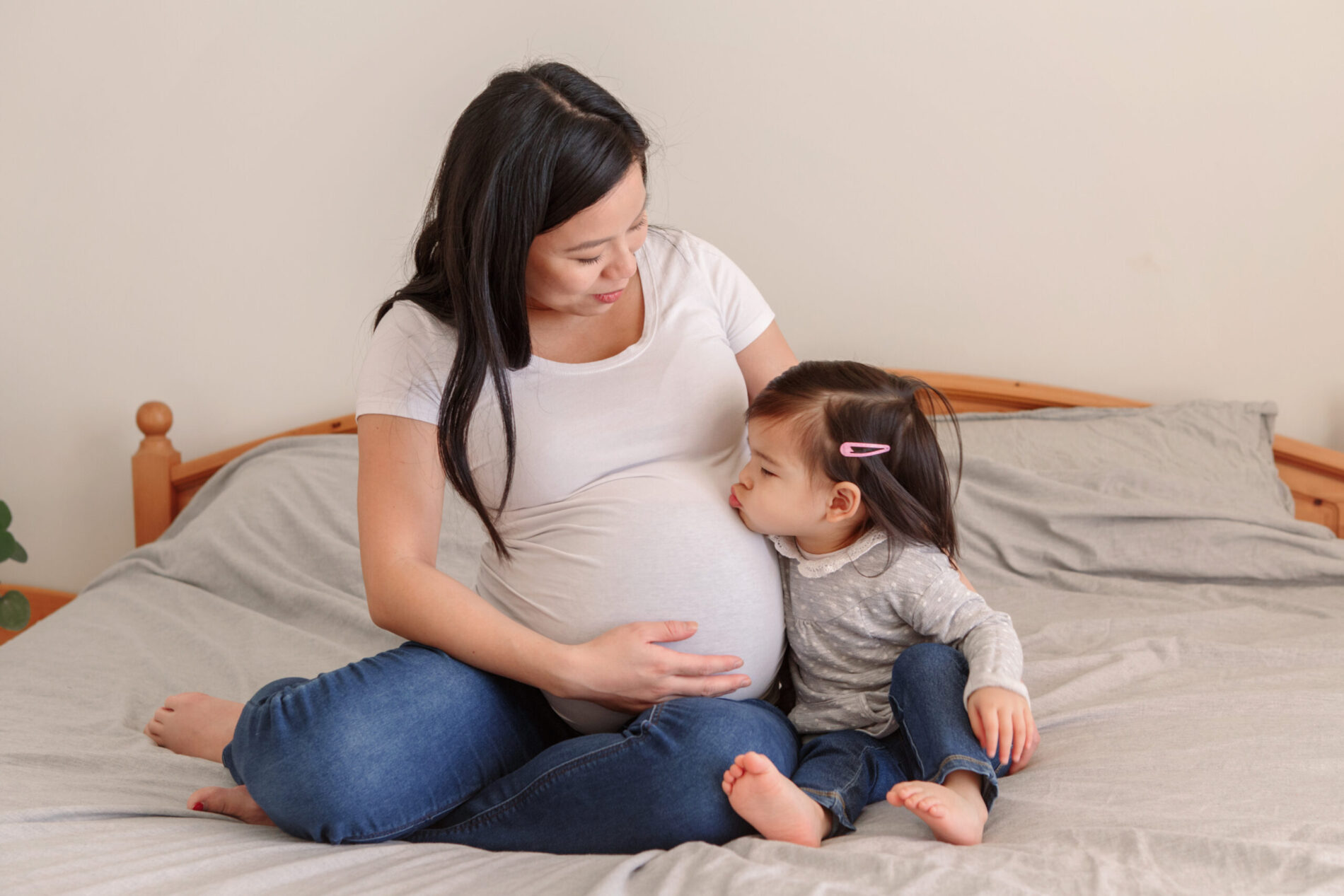

Pregnancy is a time of transformation, not only for your baby but for you. While much of the conversation tends to focus on scans, nursery prep, and due dates, this journey is equally about your own health, confidence, and emotional wellbeing. Looking after yourself is not just important, it is foundational to how you experience pregnancy and approach birth.
More Than Just Growing a Baby
Yes, your body is growing a baby, but it is also growing into a new phase of identity, intuition, and power. From hormonal changes to physical adjustments to emotional recalibrations, this is a season where you deserve to be supported, not sidelined.
Taking care of yourself early and often allows you to:
- Build confidence in your changing body
- Protect your mental health
- Prepare emotionally for labour and parenting
- Reduce risks and support a smoother recovery postpartum
Your wellbeing during pregnancy directly affects your baby’s development. But just as importantly, it sets the tone for how you feel in your own skin, now and in the months ahead. These choices shape your birth experience and influence how you transition into life as a parent.
Prioritising Mental Health in Pregnancy
Pregnancy hormones can bring waves of emotion, sometimes joy and anticipation, other times anxiety, irritability, or sadness. These feelings are valid.
Around 15 to 20 percent of pregnant people in New Zealand experience significant mental health challenges during pregnancy. And many more experience increased stress, mood changes, or overwhelm.
Here are a few ways to support your mental health:
- Make space to talk about how you’re really feeling
- Limit exposure to stressful or negative content
- Set realistic expectations about what you can handle
- Reach out to your midwife or GP if anxiety or sadness persist
- Keep a daily journal to track emotions and patterns
Connection is one of the most protective tools you have. Whether it is a trusted friend, a pregnancy yoga class, or an online support group, being heard and seen can make all the difference.
If you notice persistent low mood, intrusive thoughts, or difficulty bonding with your pregnancy or baby, reach out. There is support available. Seeking help is a sign of strength, not weakness.
Practical Self-Care That Makes a Difference
Forget the idea that self-care is about bubble baths and pedicures. True self-care in pregnancy is practical, grounded, and sustainable.
- Eat regularly: Include a balance of protein, healthy fats, iron-rich foods, and complex carbs.
- Stay hydrated: Aim for 8 to 10 glasses of water daily, especially if you are dealing with fatigue or swelling.
- Move mindfully: Gentle stretching, walking, swimming, or antenatal yoga can reduce discomfort and boost mood.
- Rest often: Short naps, early nights, and moments of stillness are not indulgent. They are necessary.
- Simplify tasks: Batch-cook meals, delegate chores, and allow yourself permission to do less
This season is not about doing more. It is about listening to your body and doing what supports you best. Tracking your energy levels and honouring what you need each day helps to reduce stress and support balance.
Practising mindfulness and breathing techniques can help regulate your nervous system. Apps and guided meditations designed for pregnancy can help you develop a daily calm routine.
Self-care may also include saying no to events, setting digital boundaries, or creating quiet time to connect with your baby. These simple moments add up, nurturing your mental and physical state.
Building Your Birth Knowledge
Informed choices create empowered births. Whether you envision a home birth, hospital birth, or something in between, understanding your options helps reduce fear and increase confidence.
- Learn about the stages of labour, pain relief options, and different birth settings
- Ask your care team about what to expect and when to contact them
- Consider attending antenatal classes or watching reliable online resources
- Talk through previous birth experiences, fears, or hopes with a trusted support person
- Explore the role of a doula and whether this might suit your needs
Creating a birth map (or birth preferences document) can help clarify what matters to you, while also staying open to the unknowns of labour.
Confidence does not come from predicting every outcome. It comes from feeling informed, supported, and able to advocate for your needs. Writing down your questions and preferences before appointments can help you feel more prepared and heard.
Also consider cultural traditions that bring you comfort or strength—rituals, practices, or phrases from your heritage that you want to bring into your birth space. These personal touches can centre you and help make your birth more meaningful.
Partner Support and Shared Preparation
Pregnancy affects both you and your partner. Sharing the journey makes it easier to navigate the ups and downs together. Open conversations about fears, expectations, and practical support lay the groundwork for strong co-parenting.
Partners can:
- Attend appointments and classes together
- Practise birth positions and comfort measures
- Take turns researching and asking questions
- Learn about the signs of labour and what to expect in the birth space
- Create rituals of connection, such as weekly check-ins or baby journal updates
A connected partnership is one of the best predictors of a positive birth and postpartum experience. Preparing together strengthens trust and teamwork before your baby even arrives.
Support Systems That Actually Support You
You were never meant to do this alone. Who is in your village matters. Strong support during pregnancy helps reduce stress, improve outcomes, and create a more positive transition to parenthood.
Support can look like:
- A partner who attends appointments or rubs your back
- A friend who drops off meals or checks in regularly
- A birth doula who offers emotional and physical support
- A midwife who takes time to listen
- A mentor parent who shares real experiences without judgment
It also means creating boundaries with those who drain you. Protect your energy. Say no without guilt. Prioritise relationships that fill your cup. Your circle should empower you, not add to your load.
Support may also include practical resources such as perinatal mental health services, local community groups, and accessible digital networks like The Village NZ Hub. Build your village before you need it, and reach out when you do.
Preparing for the Postpartum Period
Birth is not the end of your pregnancy journey. It is the start of another important chapter. Begin thinking about how you will rest, heal, and be supported after baby arrives.
- Plan for nourishing food, delivered or pre-prepared
- Identify who can help with older children, chores, or emotional support
- Set boundaries around visitors or social expectations
- Learn about common postpartum symptoms, from mood shifts to physical recovery
- Keep support contact numbers nearby, including your midwife, GP, and any helplines
A postpartum plan can ease anxiety and ensure that your needs are not forgotten once baby arrives. Knowing where and how you will be cared for allows you to recover with dignity and peace.
Also consider physical comfort: stock up on items like maternity pads, perineal spray, a good water bottle, and nursing-friendly clothing. These small tools can make a big difference when navigating life with a newborn.
You may also want to explore community support such as lactation consultants, postnatal physios, or baby and mum groups. Having a plan for connection helps prevent feelings of isolation and offers reassurance that you are not alone.
Navigating the Medical System
Healthcare during pregnancy is essential, but it can feel overwhelming. Advocating for yourself within medical appointments helps ensure your voice is heard. Write down questions ahead of time, bring a support person, and do not hesitate to seek a second opinion if something doesn’t feel right.
Ask your midwife or obstetrician about options and risks, and make sure you understand the answers. Respectful, collaborative care builds trust and leads to better outcomes for you and your baby. You deserve a care team that listens to you.
Cultural and Spiritual Traditions
Pregnancy is not only a physical experience; it can also be spiritual and deeply cultural. Embracing rituals, ceremonies, or practices from your background can offer grounding and comfort.
Whether it is a blessing ceremony, traditional food, prayer, or even decorating your birth space with meaningful symbols, honouring your roots brings connection. Share your wishes with your care providers so they can support you in integrating these values.
Your Body, Your Birth
Every pregnancy is different. Every birth is personal. What matters most is that you feel respected, informed, and supported every step of the way.
There is no perfect way to do this. What works for one person may not work for another. Your instincts matter. Your voice matters. You matter.
It is okay to feel both excitement and fear. It is okay to change your mind as you gather new information. The goal is not to follow a perfect path, but to walk your own with confidence and support.
Pregnancy is not just a countdown to baby. It is a profound chapter in your life, one that deserves care, attention, and celebration. Trust yourself. Prepare with intention. And remember, you are already doing beautifully.
Join the Conversation
What has helped you look after yourself during pregnancy? What do you wish more people talked about? Share your experience or connect with others in The Village NZ Hub. We are walking this journey with you.